Sales are down: did you lose customers, or do they come less often?
Why are your sales down? Split the drop into guests, visits per guest and average ticket to see if you lost customers or they come less often. With an example.
Jonas Lindqvist
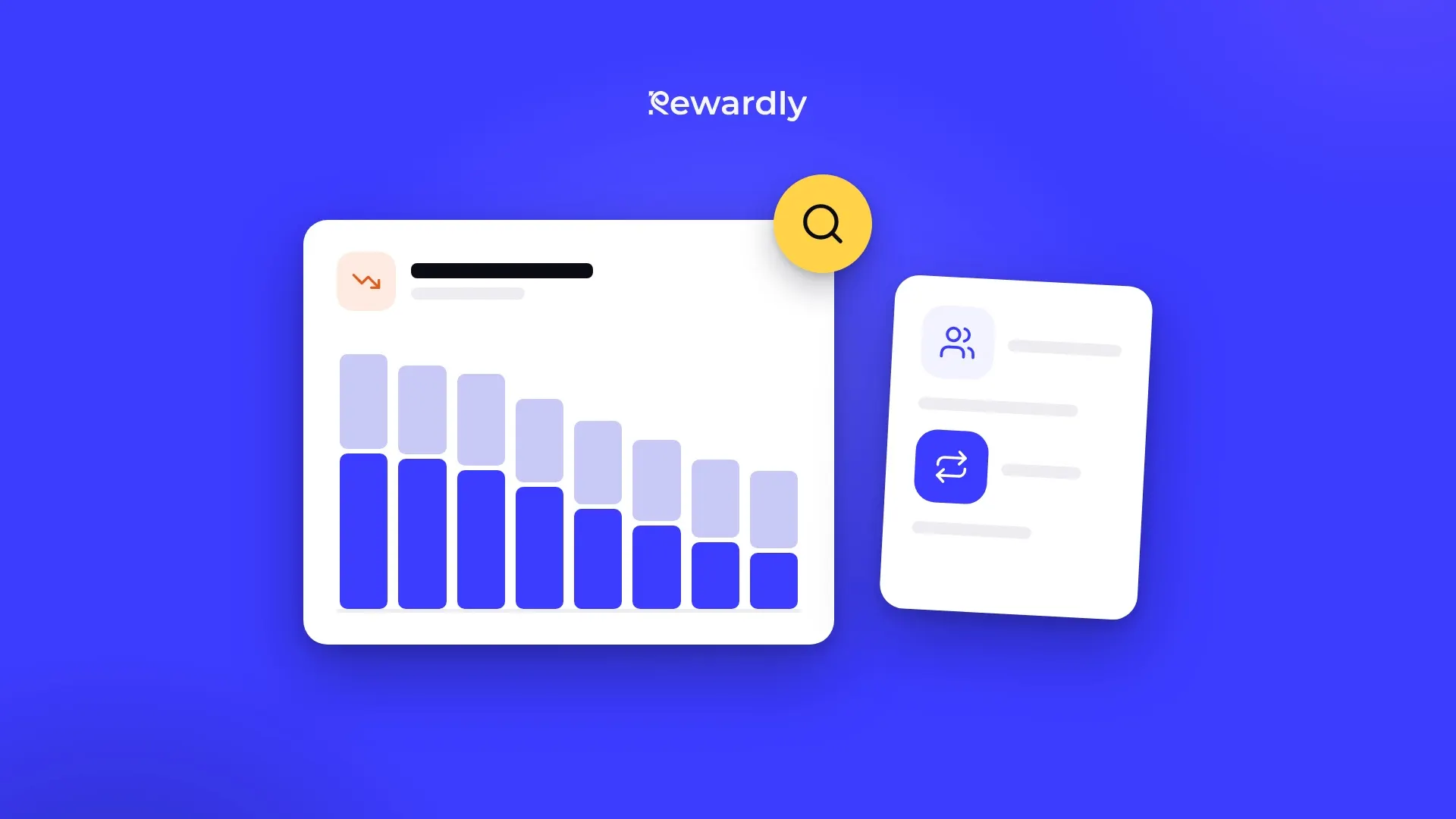
When your sales are down, first find out which of three parts dropped: sales = number of guests × visits per guest × average ticket. A drop almost always has one of four causes: fewer new guests, fewer returning guests, regulars coming less often, or a smaller ticket. Each needs a different fix, so diagnose first and act second.
This article is about the diagnosis. It shows which numbers to pull from your POS, your loyalty program and your bookings, how to split the drop into parts with an example using made up numbers, and where each result points.
Why are my sales down? Knowing "how much" is not enough
"We are 10% down this month" does not tell you what to do. The same drop can mean that new people cannot find you, that regulars went to a competitor, or that everyone still comes but orders less.
If you do not know which, you reach for the first idea. A discount will not help if the problem is that nobody knows you. Advertising will not help if new people come but never return. You lose time and money.
The formula that splits a drop in sales
Sales = number of guests × visits per guest × average ticket
Your POS gives you two numbers directly: the number of bills and the average ticket (sales net of tax divided by the number of bills). The number of bills is the number of guests multiplied by how often they came in that period. One bill often pays for a whole table, so it is not an exact head count. For comparing one month with another it is enough, as long as you always count the same way.
Your POS cannot split the bills into "how many people" and "how often", because it does not know who is paying. For that you need a way to recognise guests: a loyalty card, bookings under a name, or at least your staff's memory.
Step 1: compare the right periods
First make sure the drop is real.
- Compare the same month last year, not the previous month. January is weaker than December almost everywhere.
- Count your open days. A month with five Saturdays and one with four are not the same. Public holidays, your own holiday, closed for repairs.
- Write down what changed: prices, the menu, opening hours, staff, road works outside, a new competitor, the weather.
- Look at the three month trend. One weak week is chance; three weak months are a trend.
If the drop is still there after this, move on.
Step 2: fewer bills, or a smaller ticket?
From your POS, take the number of bills and the average ticket for both periods.
- Bills down, average ticket not: fewer people came, or they came less often. Go to step 3.
- Average ticket down, bills not: people come as before but spend less. Skip to the "smaller ticket" diagnosis below.
- Both down: start with whichever fell more in percentage terms.
If your POS can show it, also look at hours and weekdays. A drop only at Friday lunch or only on Saturday morning tells you more than the monthly total.
Step 3: fewer people, or less frequent visits?
This is the key question, and your POS cannot answer it alone. You need a source that knows individual guests.
- Loyalty program. Every card scan is one visit by a known member. Look at how many different members came in a month and how many visits they made in total, in your program's data or in an exported customer list (CSV) in a spreadsheet.
- Bookings under a name. In a restaurant that takes bookings, count how many names repeat within the month.
- Your staff. If you have neither, ask staff to tally familiar faces for a week. It is not precise, but it is comparable.
Then compare two numbers with the same period last year:
- The number of different regulars who came in. If it fell, you lost people.
- Visits per regular. If it fell while the number of people stayed the same, the guests are still yours; they just come less often.
Step 4: new guests, or returning ones?
One last split: are new people still arriving as before? In your loyalty program, check how many new members joined in the month and how many of them came a second time.
- Fewer new members joining: the problem is at the door; people are not finding you.
- New members join but do not return: the problem is after the first visit.
A worked example with made up numbers
Example: a café had 2,000 bills last October with an average ticket of €10, so €20,000. This October it has 1,800 bills at €10, so €18,000. The drop is €2,000, or 10%. These are round numbers for illustration, not data from a real business.
Step 2: the average ticket did not change; 200 bills are missing.
Step 3: in the loyalty program, last October 300 different members came in and made 900 visits, so 3 visits per member. This October 300 members came in too, but made only 660 visits, so 2.2 per member. That is 240 visits fewer. Bills from guests without a card rose slightly, from 1,100 to 1,140.
Step 4: 62 new members joined, against 60 last year.
Diagnosis: new guests arrive as before and regulars have not left. They come less often, and that explains the whole drop. The owner now asks what changed for regulars: a price rise in September, new morning opening hours, or a new café nearby?
Without the split, this café would probably have paid for advertising to win new guests it was not missing.
What each diagnosis means
Here is, briefly, where each result points. For each diagnosis, pick one measure and check after a month whether it worked.
Fewer new guests
People are not finding you, or have no reason to come the first time. Check how you look on Google Maps: opening hours, photos, reviews and your replies. Fill in whatever is missing on your business profile and add fresh photos. Also check whether something changed around you: an office building emptied, a bus stop moved, building works.
New guests come but do not return
The first visit did not convince them, or they simply forgot you. How many new members usually return, and how fast, is shown in the study 56% of new loyalty members come back within 90 days. It often helps to give a reason to return at the very first payment, for example a loyalty card with the first stamp already on it.
Regulars have left
If the number of different regulars fell, something took them away: a competitor, a change in quality, a new price, a favourite server leaving. Ask the regulars who stayed what they think changed. The answers are often surprisingly direct. Treat them like a complaint at the table: listen to the end and put it right.
Regulars come less often
The people stayed; they just come less. Common causes are a change in their routine (working from home, a new route to work), a price rise, or a reward on the card that is too far away. A reminder helps: with a digital loyalty card you can send a push notification to the phones of all card holders who agreed to marketing messages, on the Advanced plan and above. Also check that the reward is within reach. For texts you can copy, see these messages that win back lost customers.
A smaller average ticket
Guests still come but buy less: no dessert, no second coffee, smaller dishes. Look at which items fell most. Often a price rise is behind it, with guests responding by ordering less, or staff who stopped suggesting extras.
How to spot a drop in sales early
A drop you notice after three months is harder to fix than one you notice after two weeks. Write down the same numbers every week: sales, number of bills, average ticket, new members and visits by regulars. For your loyalty program a monthly look is enough, as described in 5 loyalty program numbers to check every month.
FAQ
Why are my sales down when nothing has changed?
Often something did change, just not inside your business: the weather, holidays, the number of open days, works on your street or your guests' routines. Compare the same month last year with the same number of open days. If the drop remains, split it into the number of bills and the average ticket.
How do I know if I lost customers or they come less often?
You need a way to recognise guests, such as a loyalty card or bookings under a name. Compare the number of different regulars and the visits per regular with last year. If the people are the same but the visits are fewer, they come less often.
Is my POS enough to find out why sales are down?
Your POS gives you the number of bills and the average ticket, which is the first and most important step. It does not know who pays, so it cannot tell new guests from regulars. For that you need a loyalty program or another way to recognise guests.
What should I do first when sales are down?
Do not rush into discounts or advertising. First compare the right periods and find out which part of the formula fell. Then pick one measure for that part and check after a month whether it worked.
How often should I check my sales numbers?
The basic numbers once a week, always on the same day and in the same way. Loyalty program data once a month is enough. Always compare with the same period last year, not only with last week.
See how often your guests come back. Try Rewardly for €0
No upfront payment, 14 days free.
Written by
Jonas Lindqvist