

Blog
Insights & Updates
The Rewardly blog is a free library of practical guides for cafés, restaurants, salons and shops that want customers to come back: how to set up a digital loyalty card, which rewards work, how to write push messages that get read, and case studies built from anonymised data of businesses using Rewardly.
How to rank higher on Google Maps: a checklist for cafés, restaurants and salons
How to rank higher on Google Maps: the three factors Google uses to rank local businesses, 15 steps for a café, restaurant or salon, and what to avoid.
November 14, 2026
Read article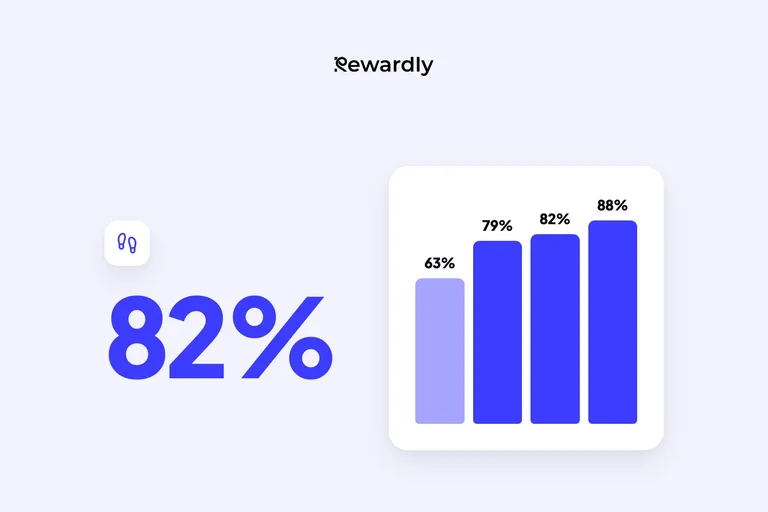
The second visit is the hardest. After the third, more than 4 in 5 members keep coming
Data from 27,641 new loyalty members: 63% come back a second time, but after the third visit 82% keep coming. Where you win regulars and how to do it.
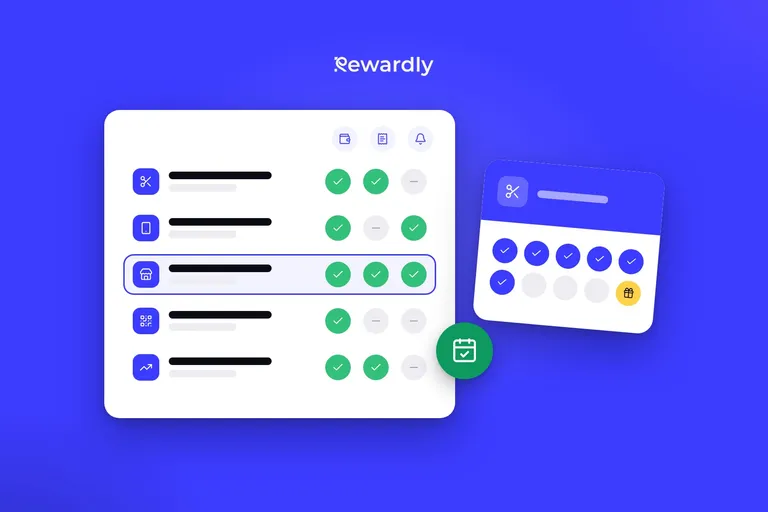
The 9 Best Loyalty Programs for Salons and Barbershops Compared for 2026
We compared 9 loyalty tools for salons and barbershops: booking suites with loyalty built in against standalone wallet cards, with prices, fees and limits.
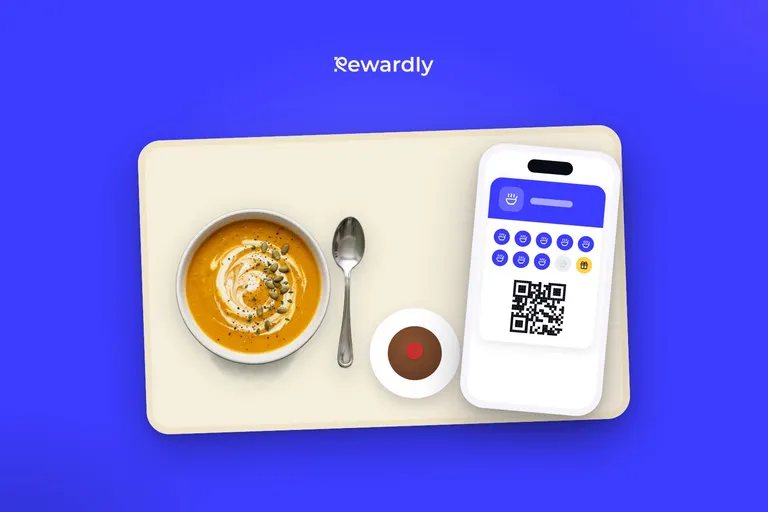
Lunch menu: how to keep your regular lunch guests
Lunch menu regulars: a stamp per lunch, a reward on the tenth visit, the menu on their phone before they decide, geo push for offices and a weekly plan.
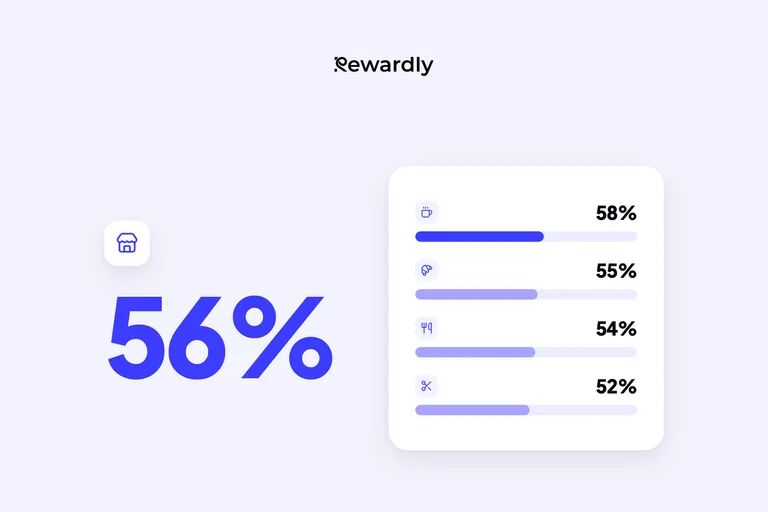
Customer retention rate by industry: 2026 data for cafés, restaurants and salons
Customer retention rate by industry from 40,000+ loyalty members: 56% of new members return within 90 days. Benchmarks for cafés, restaurants and salons.
Who should get a VIP card: choosing your best customers without offending the rest
A VIP card for customers: how to pick your best ones by visits over 90 days, which perks to give, how to invite them and what to tell those who missed out.
How to respond to Google reviews, even the bad ones: 15 examples to copy
How to respond to Google reviews: what Google advises, how fast to reply and 15 example replies to praise and complaints, including how to report a fake review.
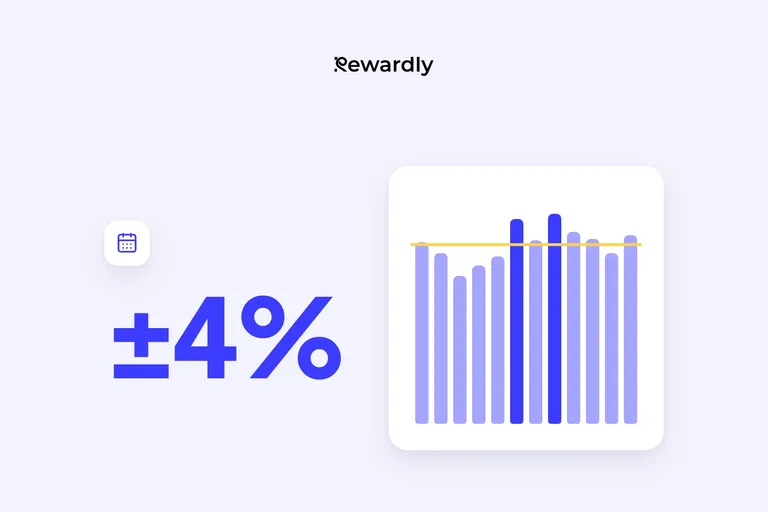
Loyalty members keep their habit all year. What changes is how many come in
Data from 200,000+ member visits: members visit about as often all year, only how many come in changes. May is busiest, December quietest.
Bakery loyalty program: when a customer spends €3 every day
A bakery loyalty program: a stamp for one product, a sample calculation, what never to stamp, how to keep the morning queue moving and two ready messages.
How to announce a new product to customers, starting with your regulars
How to announce a new product to customers: where and when to tell regulars, how to get them to try it, 3 message templates and how to know if it sells.
Gym members cancel after three months: why, and what keeps them
How to reduce gym membership cancellations: five reasons members quit after three months and what keeps them, from the first session to the cancellation talk.
Slow lunch Fridays: how hybrid work changed the lunch trade and what to do
Slow lunch Fridays since hybrid work? Measure the drop in your POS data, adapt Friday prep and menu, keep office regulars and win guests who work from home.
Off season in a tourist town: how a café wins over the locals
Off season café in a tourist town: why locals stayed away in high season, an offer that does not insult them, a year round loyalty card, hours and events.
Common questions
For most local businesses, yes. Few customers download an app for one café or salon, while a wallet card needs no download and sits next to their bank cards and boarding passes.
You still get what an app would give you: a digital card, push notifications and data on every visit. A custom app mainly makes sense for large chains with their own development team.
A paper card gets lost, forgotten at home or thrown away, and it tells you nothing about who your regulars are. A wallet card is always on the customer's phone and records every visit.
On the Advanced plan and higher you can also send a message to the card, for example when a reward is one stamp away. With paper, you have no way to reach the customer again.
Pick a number a typical regular can complete within a few weeks, and a reward that feels worth the effort, such as a free coffee or money off the next treatment. A card that takes half a year to fill rarely gets filled. You can set anything from 2 to 30 stamps.
You choose. With a stamp per visit, staff add a stamp for each visit whatever the customer buys. With a stamp per product, three coffees mean three stamps. With a connected POS system, the stamps are added automatically from the receipt.
Ask at the till. The moment that works best is while the customer pays: staff point to the QR code and mention the reward. Put the code where people wait, make the first reward easy to reach and remind regulars who still carry a paper card.
You can also invite customers you already know by email.
Businesses using Rewardly see 30% more repeat visits on average, and wallet messages have a 90% read rate. Your own result depends on how actively you offer the card at the till and how attractive the reward is. The ROI calculator estimates it for your business.